The Self-Taught Type

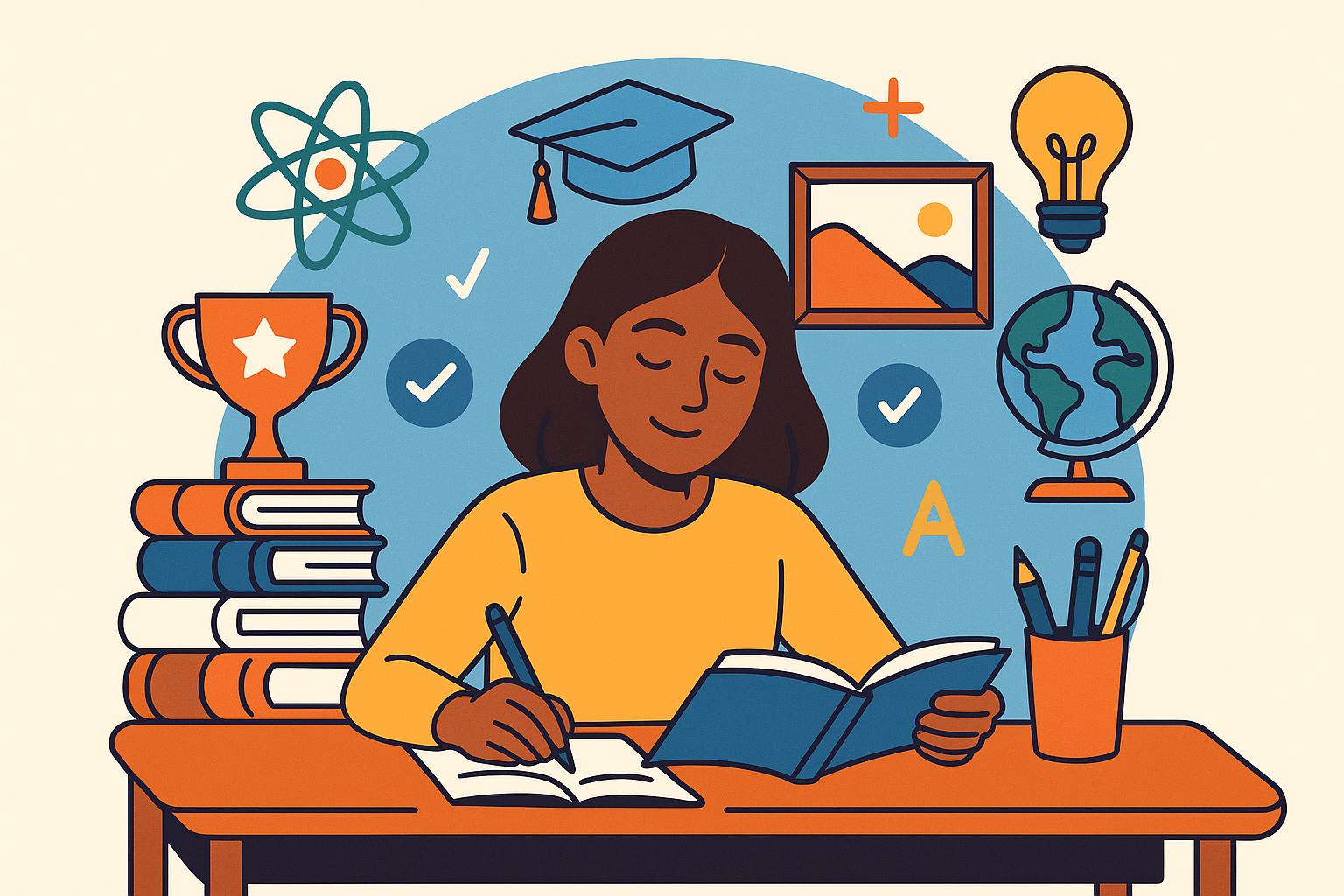
Not all learning happens in a classroom. The Self-Taught Type is the student who forges their own educational path—outside traditional systems, through independent exploration, curiosity, and real-world practice. Whether by choice or necessity, these individuals challenge the idea that formal schooling is the only route to knowledge or success.
Characteristics of the Self-Taught Type
- Independent Learner: Driven by intrinsic motivation rather than external structure.
- Resourceful: Makes use of online courses, books, tutorials, and real-life experimentation.
- Nonlinear Path: May have dropped out, never enrolled, or left traditional systems early.
- Focused Interests: Often goes deep in one or more areas of passion.
- Creative Thinker: Learns by doing and problem-solving rather than memorizing.
Challenges Faced
- Lack of Credentials: Employers or institutions may undervalue experience without diplomas.
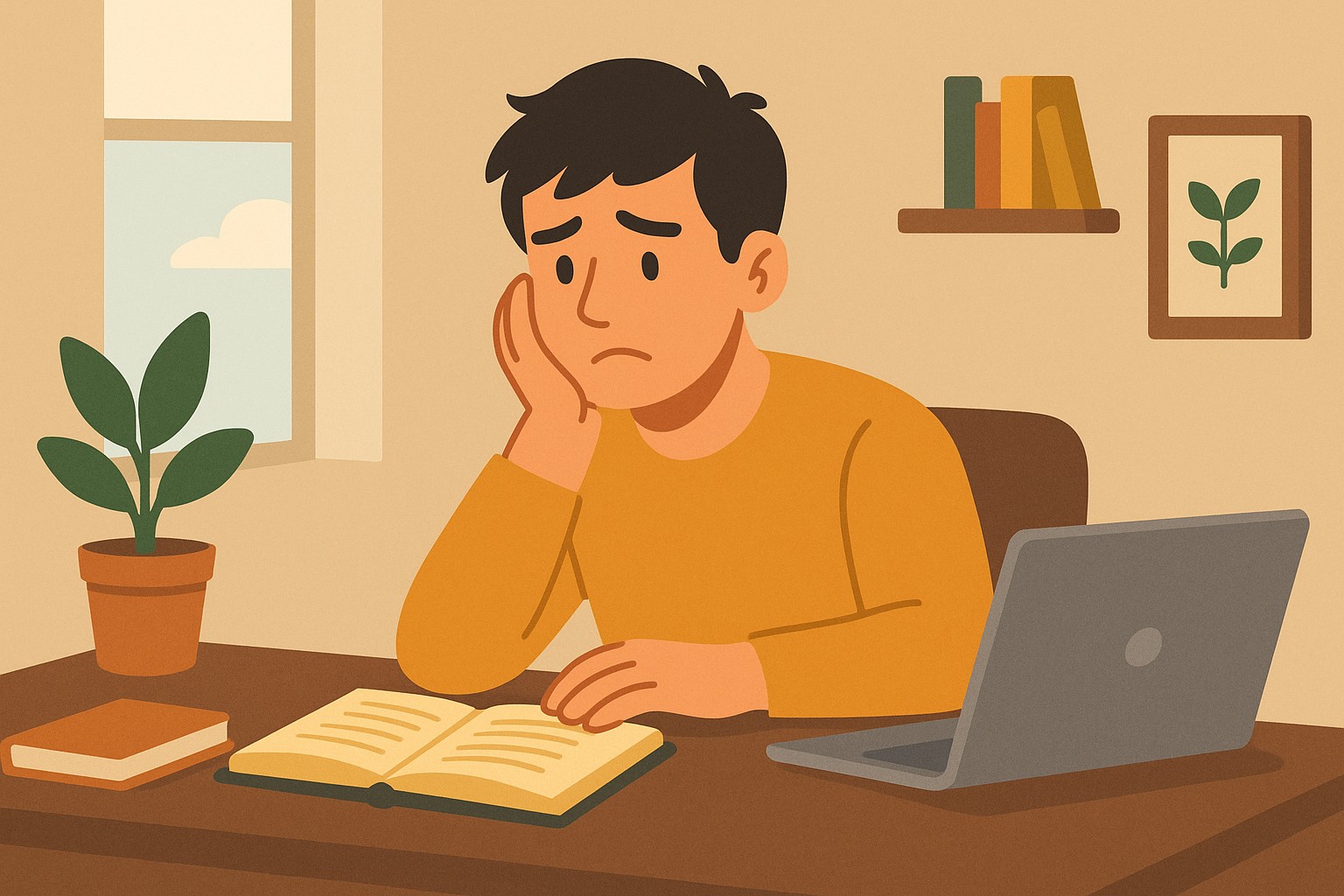
- Isolation: Without peers or teachers, motivation and feedback can be harder to find.
- Recognition: Skills may be overlooked in systems built on certifications.
- Structure: Building a personal learning roadmap requires discipline.
Strengths to Cultivate
- Portfolio Development: Showcase projects, code, designs, or writings.
- Community Engagement: Join forums, open-source projects, or creative networks.
- Credibility Building: Contribute content, teach others, or freelance.
- Hybrid Pathways: Combine self-teaching with micro-credentials or part-time study.
Support Strategies
- Mentorship and Peer Feedback: Find others on similar paths or with real-world experience.
- Recognition of Alternative Learning: Promote models that value demonstrated skills over degrees.
- Access to Resources: Ensure open access to quality educational tools and materials.
- Flexible Systems: Encourage institutions to accept nontraditional learning pathways.
Final Thoughts
The Self-Taught Type is a pioneer—proving that passion, persistence, and curiosity can rival any classroom. While the road may be unconventional, it’s often rich with creativity, autonomy, and innovation. Supporting these learners means rethinking how we define education—and embracing a broader, more inclusive map of what learning can be.