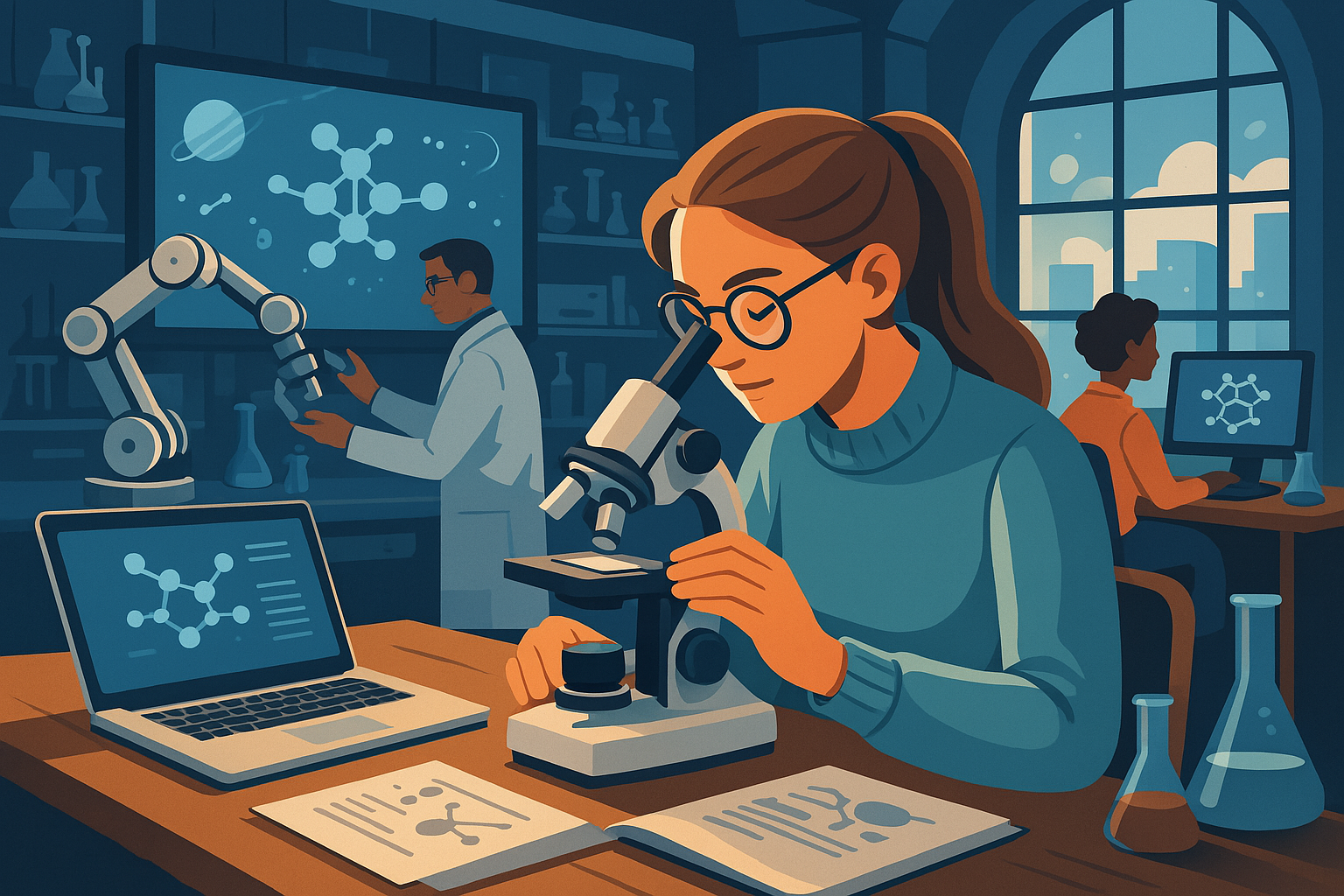
The Role of Universities in Scientific Advancement
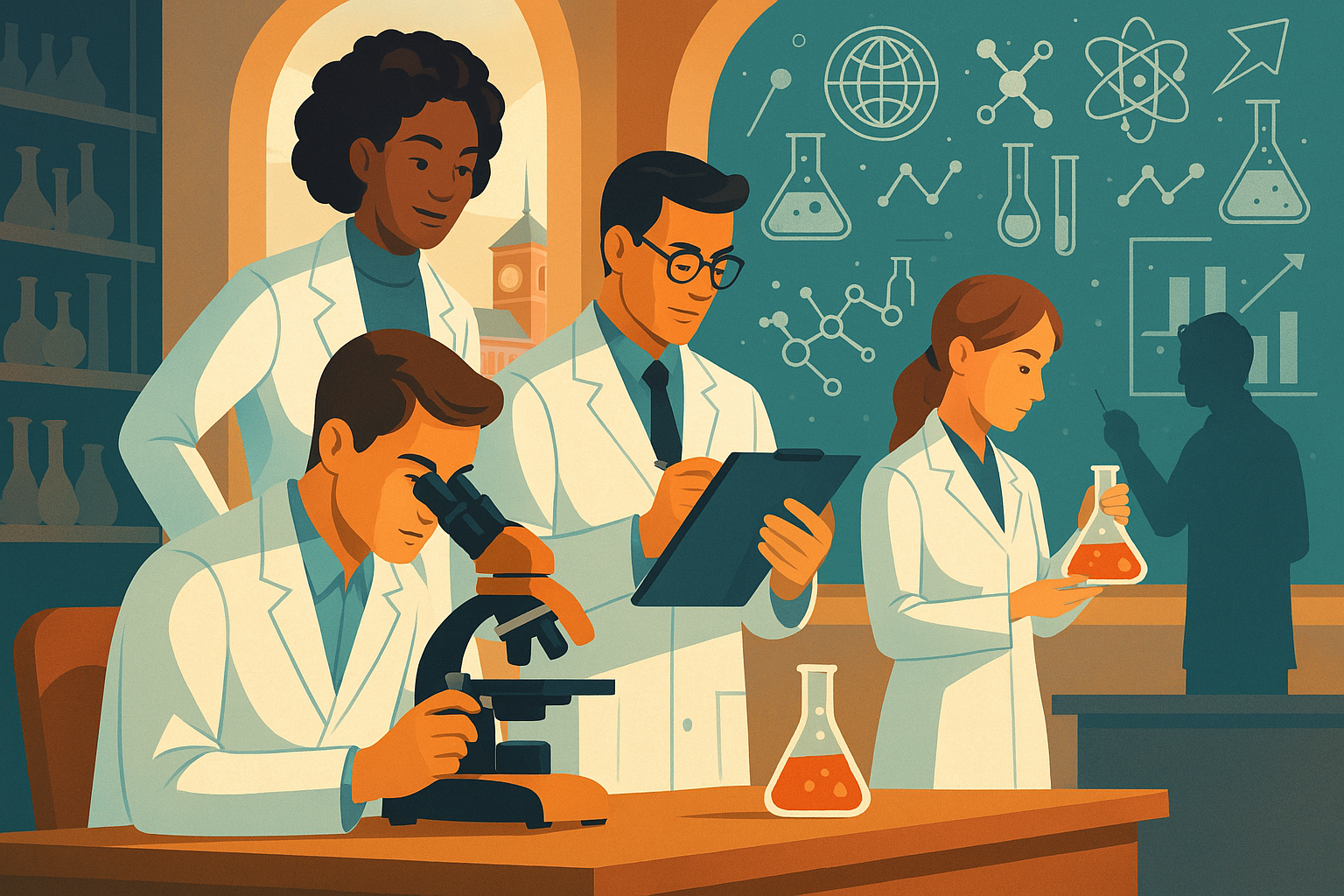
Universities have long been at the forefront of scientific progress, serving as hubs of knowledge, discovery, and technological innovation. Their research initiatives drive breakthroughs across various disciplines, from medicine and engineering to environmental sciences and artificial intelligence. By fostering a culture of inquiry and collaboration, universities contribute significantly to societal and economic development.
Knowledge Creation and Innovation
Universities are instrumental in generating new knowledge through research. Faculty members and students engage in experiments, theoretical modeling, and empirical studies that expand the boundaries of human understanding. Many of the world’s most groundbreaking inventions and scientific discoveries have originated in university labs, including advancements in genetics, renewable energy, and computing.
Collaboration with Industry and Government
To maximize the impact of their research, universities often partner with private industries and government agencies. These collaborations help translate academic discoveries into practical applications, such as new medical treatments, sustainable technologies, and artificial intelligence solutions. Public-private partnerships also facilitate funding for research, enabling institutions to pursue ambitious projects that might otherwise lack financial support.
Training the Next Generation of Scientists
Universities not only produce research but also train future scientists, engineers, and scholars. Graduate and doctoral programs provide students with hands-on experience in cutting-edge research, equipping them with the skills needed to address complex global challenges. Mentorship from experienced faculty ensures that students are well-prepared to contribute to scientific progress in academia, industry, and policy-making.
Addressing Global Challenges
Scientific research conducted at universities is essential for tackling some of the world’s most pressing issues, including climate change, pandemics, and resource scarcity. Universities play a key role in developing sustainable solutions, advancing medical research, and informing policy decisions based on empirical evidence. Their contributions extend beyond academic publications, influencing real-world applications that improve human well-being.