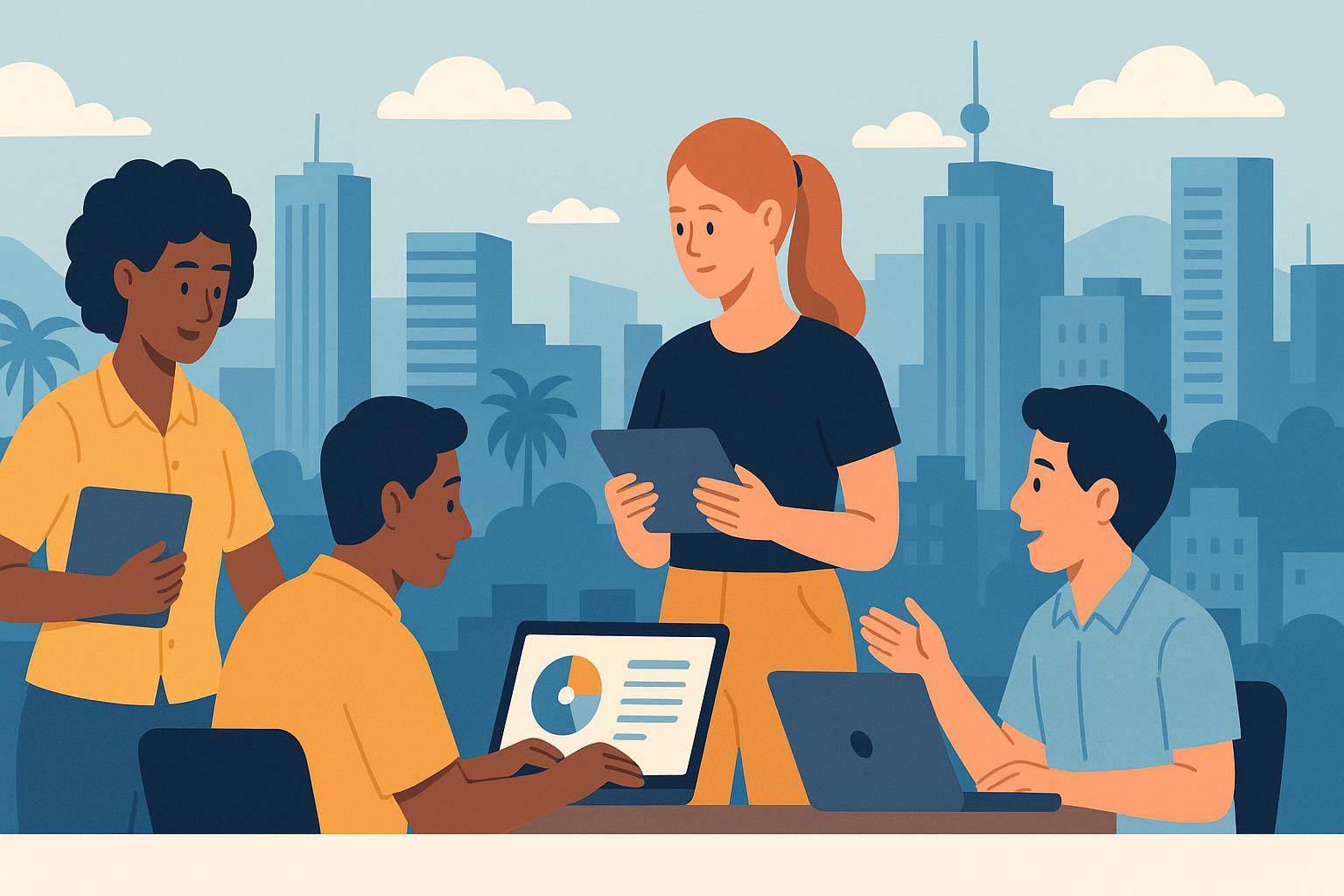
Global Career Mobility: How to Work and Grow Across Borders

In today’s interconnected world, the ability to pursue a career beyond national borders is more accessible—and more essential—than ever. Whether you’re a student dreaming of working abroad or a recent graduate seeking global opportunities, understanding how to navigate international mobility can open doors to growth, learning, and long-term success.
Why Global Career Mobility Matters
Global career mobility offers:
- Broader Job Opportunities: Access to emerging markets, international corporations, and remote-first companies.
- Cultural Intelligence: Working across cultures strengthens empathy, communication, and adaptability.
- Professional Development: Exposure to varied practices, tools, and methodologies boosts your versatility.
- Language and Networking Skills: Immersion in new environments fosters both fluency and global connections.
Key Strategies for Building a Cross-Border Career
1. Start with International Internships
Seek out internships with global NGOs, multinational corporations, or institutions with offices abroad. These short-term experiences offer valuable exposure and can be stepping stones to longer contracts.
2. Leverage Exchange Programs and Dual Degrees
Many universities offer exchange semesters, double degrees, or research collaborations. These experiences enhance your academic profile while embedding you in international contexts.
3. Build a Global Network Online
Use LinkedIn, online conferences, and alumni platforms to connect with professionals abroad. Join student associations or global initiatives related to your field.
4. Learn the Legal and Logistical Requirements
Visa sponsorship, work permits, and country-specific regulations vary widely. Begin researching early and consider hiring legal help or consulting university career centers.
5. Demonstrate Intercultural Competence
Employers look for soft skills like flexibility, open-mindedness, and the ability to work across cultural lines. Highlight such skills in your resume and interviews.
Challenges to Anticipate
- Bureaucracy and Paperwork: Be ready for complex visa processes.
- Cultural Adjustment: Culture shock is real—prepare mentally and emotionally.
- Distance from Family/Friends: Personal resilience is important when living abroad.
Final Thoughts
Global career mobility is more than just working in another country—it’s about growing as a professional and a person. With preparation, an open mindset, and strategic planning, students and graduates can build dynamic careers that span continents and industries. Embrace the global stage—it’s waiting for you.