Virtual and Augmented Reality in Education
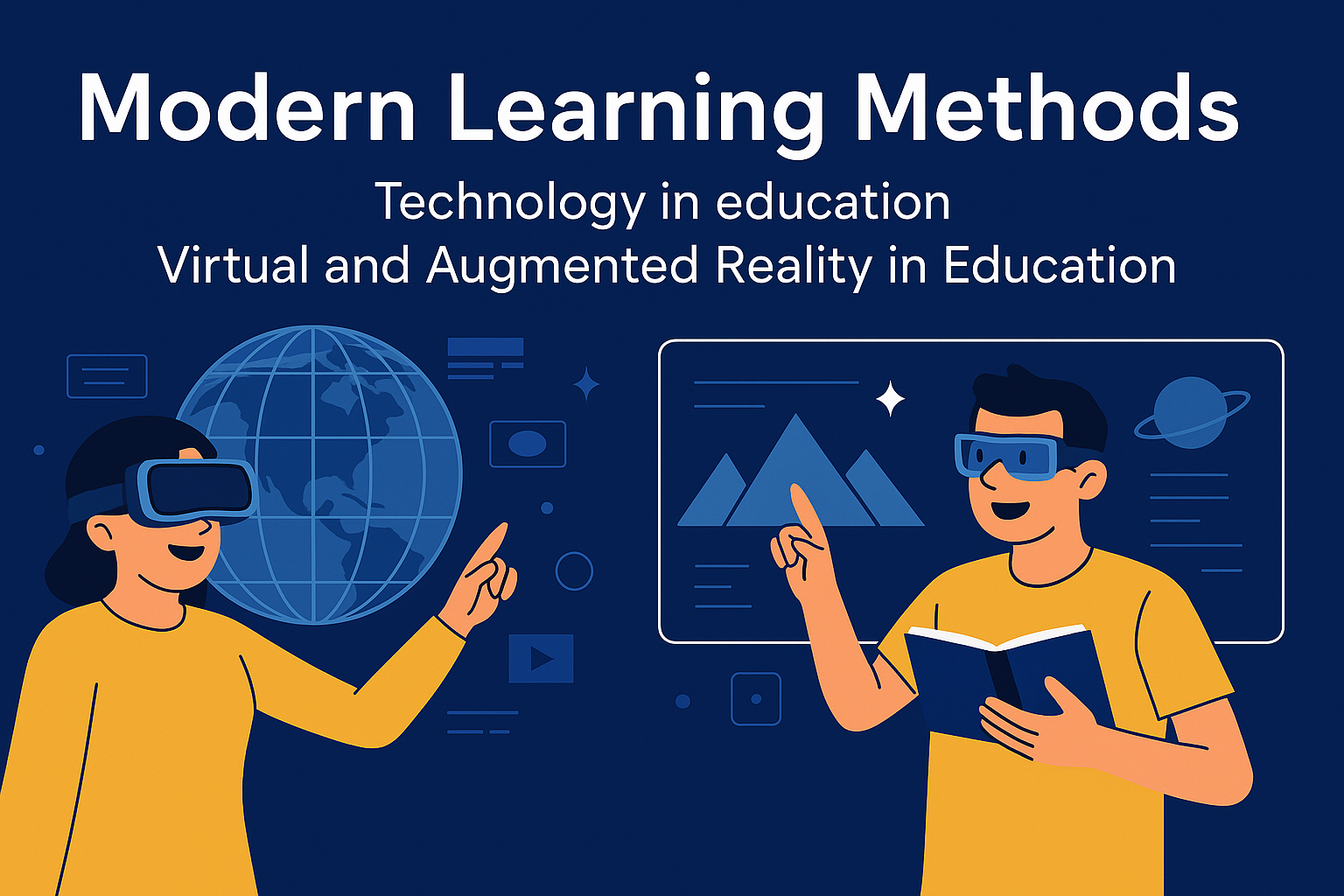
Virtual reality (VR) and augmented reality (AR) are technologies that are transforming the educational experience by providing immersive and interactive learning environments. These technologies allow students to explore concepts in a way that traditional textbooks or classroom settings cannot.
The Benefits of Immersive Learning Experiences
One of the key benefits of VR and AR is the ability to create immersive learning experiences. Students can visit historical landmarks, explore the human body in 3D, or conduct complex science experiments—all from the comfort of their classroom or home. These experiences help students visualize complex concepts and make abstract ideas more tangible.
Case Studies of VR/AR in Education
- Medical Training: VR is widely used in medical education, where students can practice surgeries or diagnostic procedures in a risk-free virtual environment. Platforms like Osso VR provide realistic simulations that allow medical students to refine their skills before performing actual procedures.
- STEM Education: In STEM subjects, VR and AR provide students with hands-on learning opportunities. For example, in physics, students can use AR to interact with virtual representations of scientific phenomena, enhancing their understanding of difficult concepts.
- Cultural and Historical Studies: VR allows students to experience historical events or visit ancient civilizations, offering a more engaging and memorable learning experience. Tools like Google Expeditions provide virtual field trips to famous historical sites.
Challenges and the Future of VR/AR in Education
Despite the exciting potential of VR and AR in education, there are still challenges to overcome. High costs, technical barriers, and the need for specialized equipment can limit widespread adoption. However, as technology becomes more affordable and accessible, it’s likely that VR and AR will become more integrated into mainstream education.
Conclusion
Virtual and augmented reality are transforming education by creating interactive, immersive environments that enhance learning. Although challenges remain, these technologies hold the potential to revolutionize how students engage with educational content and experience the world around them.