Breakthroughs in Renewable Energy Research
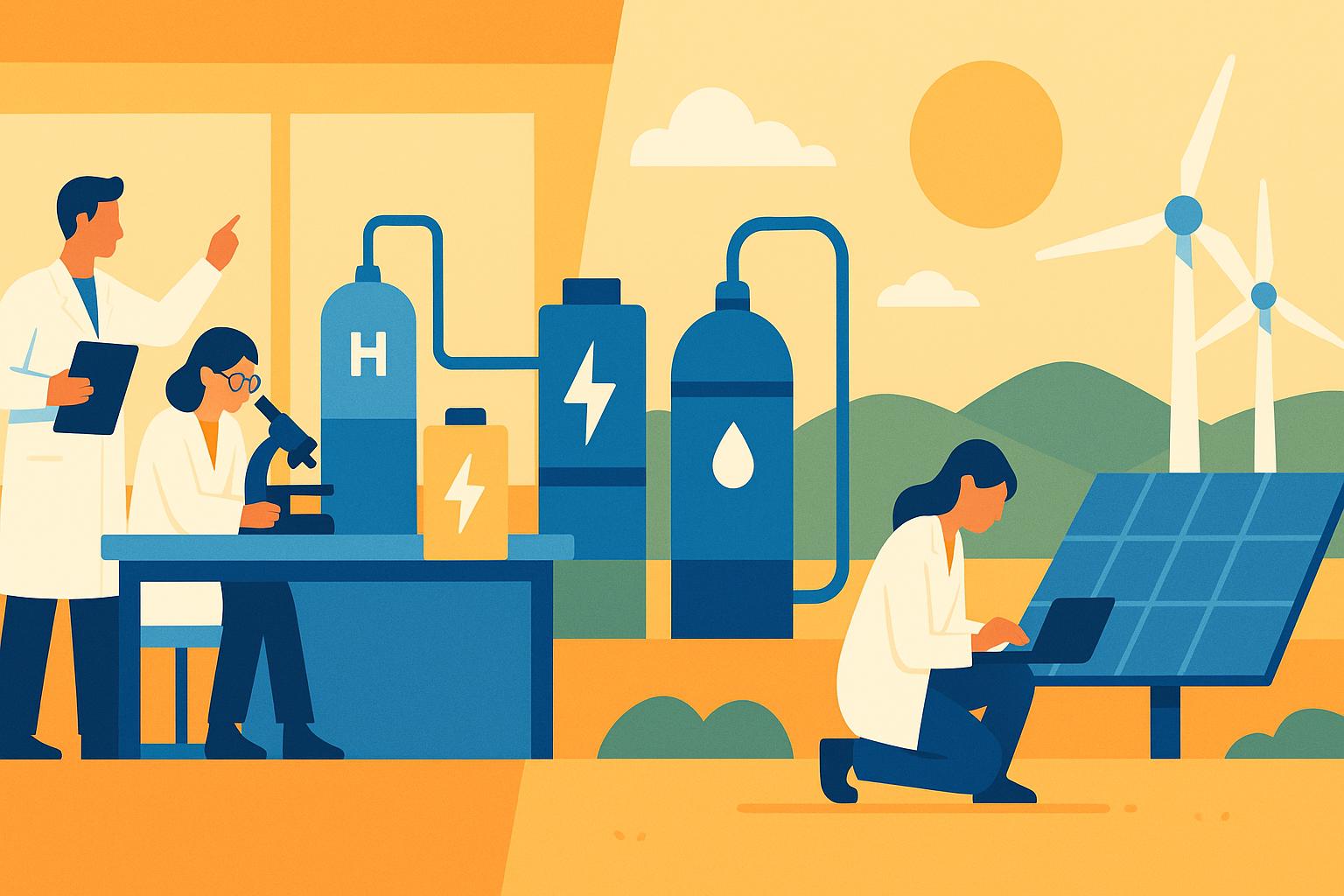
Renewable energy research is rapidly transforming how societies generate and consume power, driven largely by the groundbreaking work conducted at universities and academic institutions. From advanced solar technologies to scalable hydrogen production, recent breakthroughs are redefining the future of sustainable energy.
Advancements in Solar Power
University research teams are developing new photovoltaic materials with increased efficiency and lower manufacturing costs. For example, scientists at Oxford University have made significant progress with perovskite solar cells, which promise to outperform traditional silicon-based cells in both cost-effectiveness and performance.
Wind Energy Innovations
Institutions such as the Technical University of Denmark are spearheading efforts to improve wind turbine designs and control systems. Their research focuses on optimizing blade aerodynamics and integrating smart sensors to increase energy yield while reducing wear and maintenance needs.
Hydrogen as a Clean Fuel
Hydrogen is emerging as a versatile, zero-emission energy carrier. Researchers at the University of Tokyo have developed new catalysts that make hydrogen production via water electrolysis more energy-efficient and economically viable, paving the way for its broader adoption in transport and industrial sectors.
Energy Storage Solutions
A major challenge in renewable energy is effective storage. Universities like MIT are exploring next-generation battery technologies, including solid-state and flow batteries, to store excess energy more safely and durably than current lithium-ion systems.
Environmental and Economic Impact
These innovations not only offer environmental benefits but also create new economic opportunities. By advancing renewable technologies, universities contribute to lowering global carbon emissions and supporting the green energy job market.
Looking Forward
As academic research continues to push the boundaries of what’s possible, collaboration with industry and government will be key. The next decade promises even more revolutionary changes in how we power our world sustainably, thanks in large part to the work happening right now in university laboratories.
