Skill Development for the Evolving Job Market
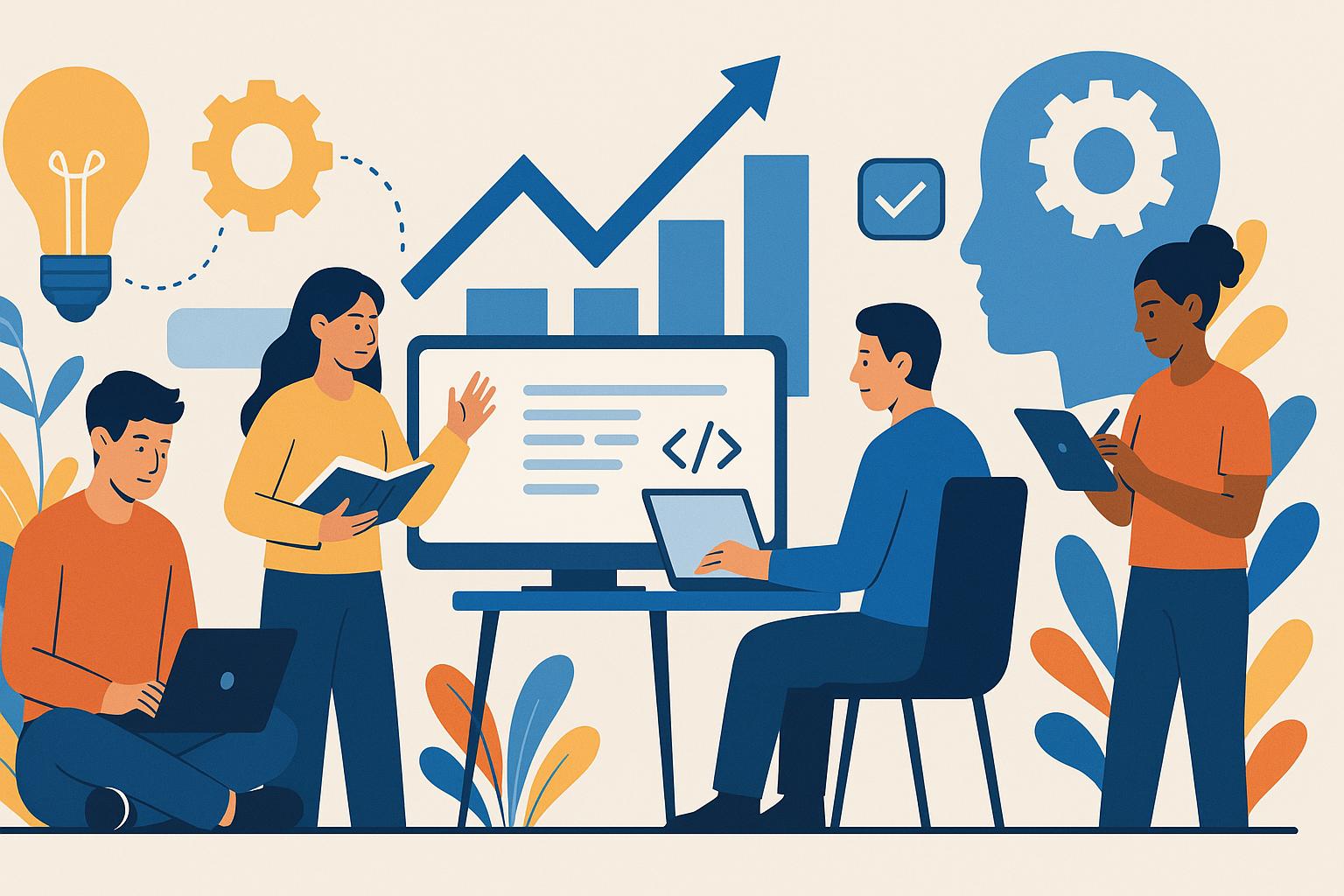
In a world where industries are rapidly transforming, graduates must focus not only on academic qualifications but also on continuous skill development to remain competitive. The job market increasingly rewards adaptability, digital fluency, and the ability to learn quickly. Here’s how graduates can align their skillsets with the needs of an evolving global workforce.
Understanding the Shifts in the Job Market
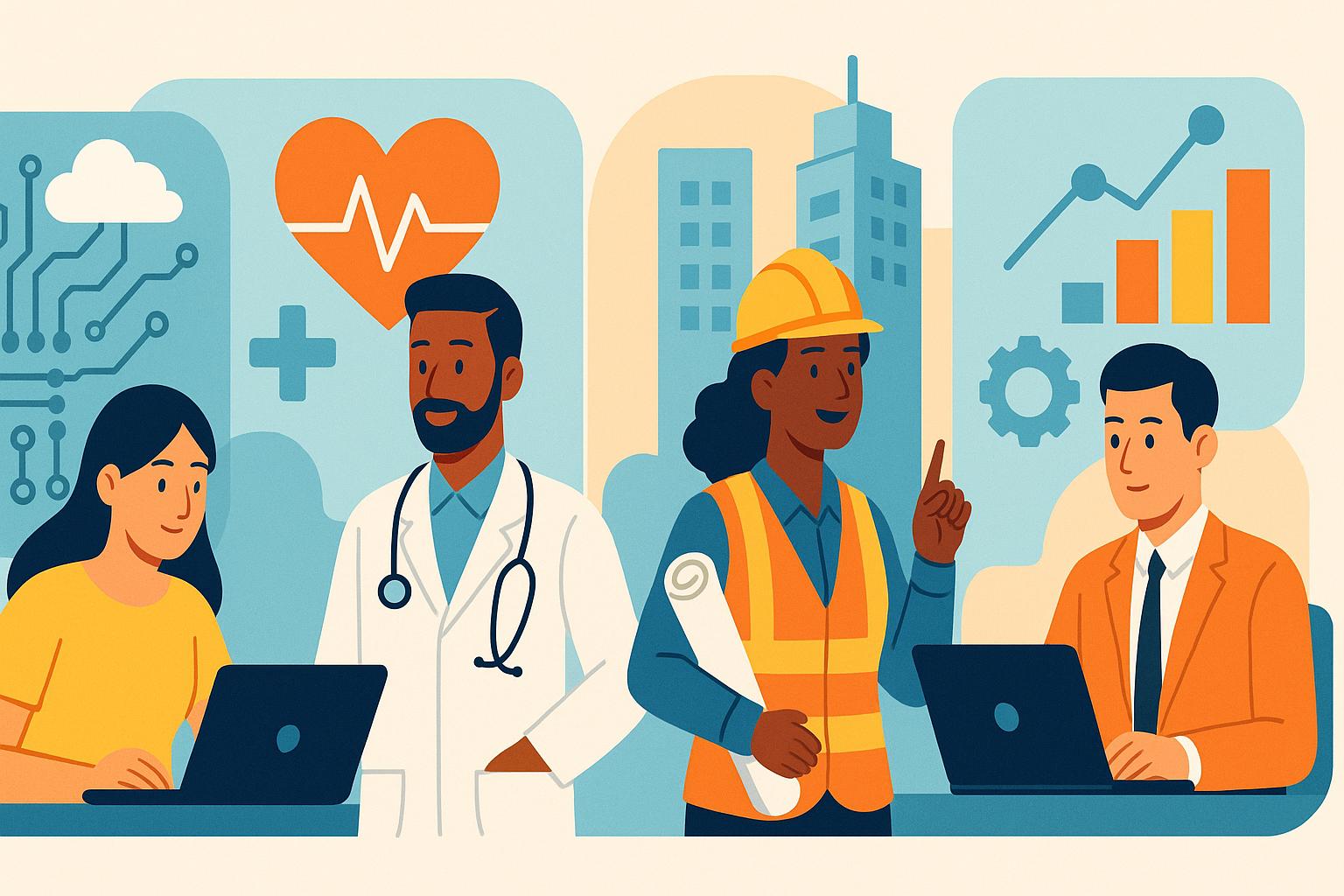
Technological innovation, automation, and globalization are reshaping job roles across sectors. Routine tasks are increasingly automated, while demand grows for roles that require creativity, problem-solving, emotional intelligence, and cross-functional collaboration.
Core Skill Areas for the Modern Graduate
1. Digital Literacy and Tech Proficiency
- Understanding data analysis, cloud computing, and digital collaboration tools is essential across most fields.
- Basic coding skills (Python, HTML/CSS, SQL) are beneficial even outside of traditional tech roles.
2. Communication and Collaboration
- Remote and hybrid work models place a premium on clear digital communication, virtual teamwork, and project management.
- Skills in public speaking, writing, and cross-cultural collaboration are highly valued.
3. Critical Thinking and Problem-Solving
- Employers seek graduates who can analyze information, question assumptions, and propose innovative solutions.
- Case-based learning and real-world projects during studies enhance these capabilities.
4. Adaptability and Lifelong Learning
- The ability to pivot, upskill, and remain flexible in changing environments is crucial.
- Platforms like Coursera, LinkedIn Learning, and edX support self-paced development.
5. Emotional Intelligence and Leadership
- Empathy, conflict resolution, and self-awareness improve team dynamics and workplace resilience.
- Participating in student organizations or team-based activities fosters these qualities.
How to Develop These Skills
- Internships and Part-Time Jobs: Real-world experience refines practical and interpersonal skills.
- Online Courses and Certifications: These offer targeted learning on in-demand tools and concepts.
- University Resources: Career centers, workshops, and mentorship programs can guide development.
- Volunteer Work and Side Projects: Demonstrate initiative, responsibility, and the ability to deliver results.
Final Thoughts
Skill development isn’t a one-time event—it’s a mindset. Graduates who proactively invest in growing their capabilities are better prepared to seize opportunities and adapt to changes in the job market. The key to long-term success lies in staying curious, open to feedback, and committed to personal and professional growth.