Gamification in Education: Turning Learning into Play
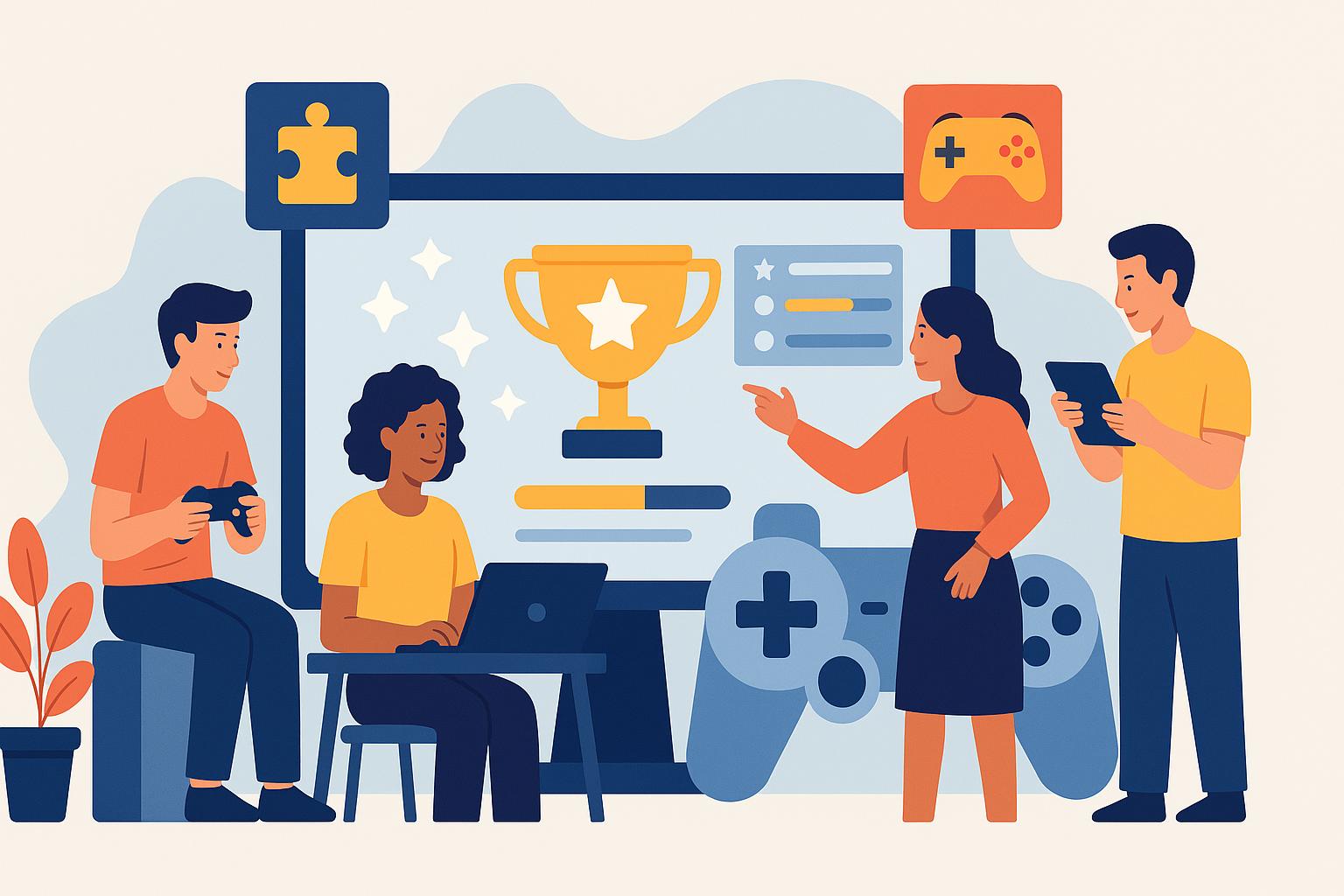
Gamification—the use of game elements in non-game contexts—has gained significant momentum in education. By introducing points, levels, rewards, challenges, and competition into learning environments, educators are transforming traditional study into dynamic, engaging experiences. For students, gamification can boost motivation, increase retention, and make learning more enjoyable.
What Is Gamification?
Gamification involves incorporating game mechanics into educational content. This doesn’t mean turning entire lessons into video games, but rather using features like:
- Points and leaderboards
- Badges and achievements
- Progress bars and levels
- Quests, challenges, and interactive storytelling
These elements can be integrated into classroom activities, learning platforms, or online courses.
Benefits of Gamification in Learning
1. Increases Engagement
Gamified content taps into intrinsic motivation by making tasks feel rewarding and purposeful. Students become active participants rather than passive recipients.
2. Encourages Persistence and Progress
Visual indicators like progress bars and achievement badges encourage learners to keep going, especially when material is difficult.
3. Provides Immediate Feedback
Through instant rewards or points, students receive direct feedback that reinforces learning and helps correct mistakes early.
4. Promotes Collaboration and Healthy Competition
Team-based challenges and leaderboards foster peer interaction and create a sense of shared goals.
Real-World Examples
- Duolingo: Uses streaks, points, and levels to gamify language learning.
- Kahoot!: Turns quizzes into competitive real-time games in classrooms.
- Classcraft: Transforms classroom behavior management into a role-playing game experience.
Considerations and Challenges
- Gamification must be meaningful—not all learners are motivated by competition or points.
- Poorly designed systems may distract from actual learning objectives.
- Balance between fun and educational rigor is essential.
Final Thoughts
Gamification is not a magic solution, but when used thoughtfully, it can make learning more dynamic, enjoyable, and effective. As technology evolves, educators and course designers have more tools than ever to make lessons not only informative, but also rewarding and fun. When learning feels like play, students are more likely to stay curious, committed, and confident.