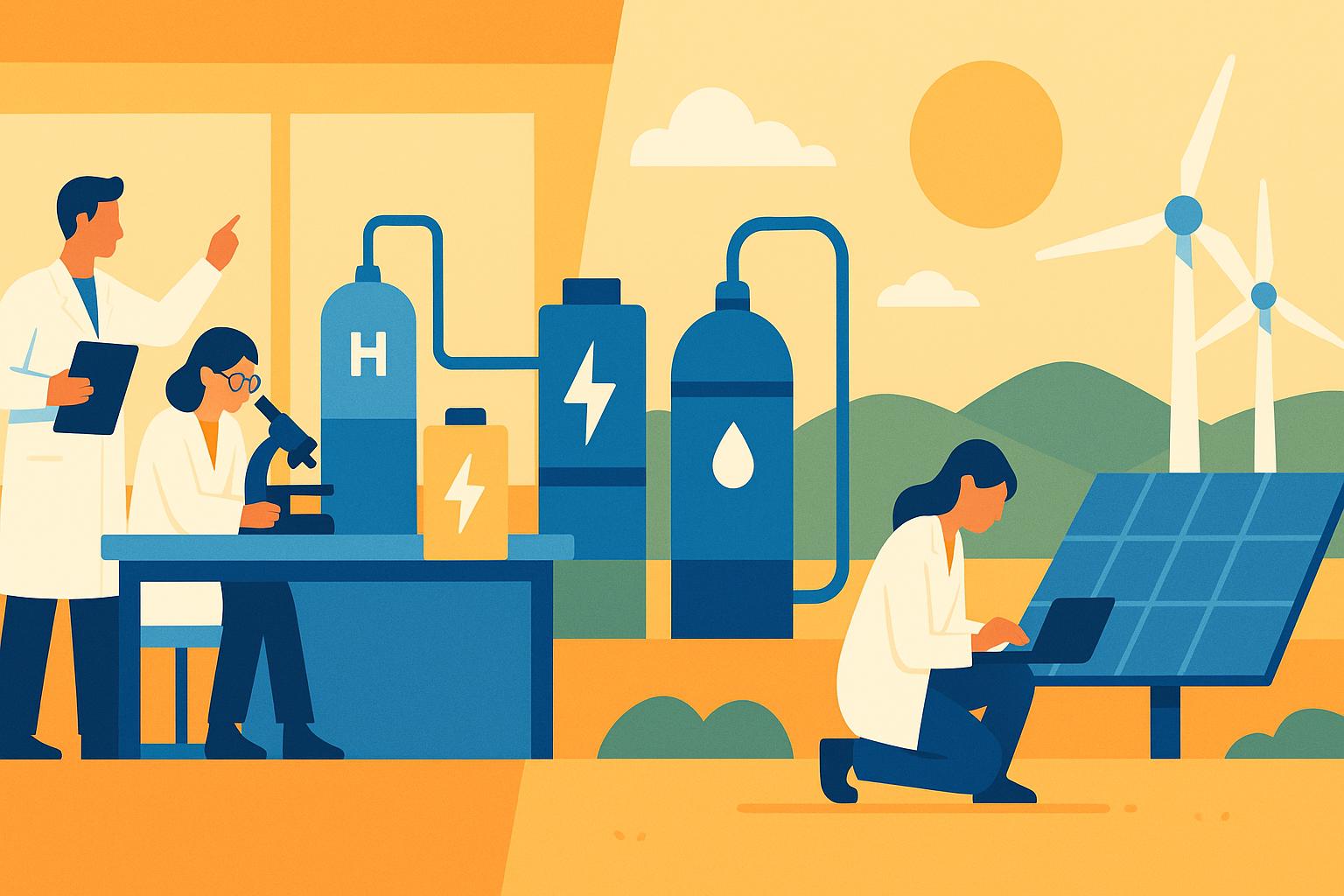
Sustainable Development: New Studies on Green Technologies and Practices
As the world grapples with the urgent challenges of climate change and environmental degradation, sustainable development has become a focal point for both researchers and industries alike. New studies in green technologies and sustainable practices are driving innovation to create a more sustainable future, focusing on reducing environmental impact while promoting economic growth and social well-being.
One of the most significant developments in green technologies is the advancement of renewable energy sources. Solar, wind, and hydroelectric power are becoming more efficient and cost-effective, with new research focusing on improving energy storage technologies. The challenge of intermittent energy supply from renewable sources is being addressed by innovations such as advanced batteries and smart grids, which help store and distribute renewable energy more effectively. Additionally, emerging energy solutions like offshore wind farms and solar panel efficiency improvements are pushing the boundaries of clean energy generation, making renewable resources a more reliable and mainstream option for power generation.
Another area of focus is green building technologies. As urbanization increases, there is a growing need for energy-efficient buildings that reduce environmental footprints. New studies are exploring advanced materials such as energy-efficient insulation, sustainable construction materials, and smart heating and cooling systems. Zero-energy buildings, which generate as much energy as they consume, are becoming more common thanks to innovations in architecture and building design. These buildings not only reduce energy consumption but also help lower greenhouse gas emissions, contributing to long-term environmental sustainability.
Circular economy practices are also gaining momentum as part of sustainable development efforts. Unlike traditional linear models of production, where resources are used, and products are discarded, a circular economy aims to keep products and materials in use for as long as possible. Research is focusing on new methods of recycling, upcycling, and remanufacturing products to minimize waste. Innovative solutions like plastic waste-to-fuel technologies and biodegradable materials are helping industries move away from single-use plastics, promoting a more sustainable and responsible approach to consumption.
In agriculture, sustainable farming practices are being promoted through studies on precision agriculture and regenerative farming. These techniques use data-driven insights and technologies like drones, sensors, and AI to optimize water usage, reduce the need for chemical fertilizers, and promote soil health. Agroforestry and vertical farming are also gaining traction, offering ways to increase food production while preserving ecosystems and biodiversity. These practices aim to produce food in ways that are not only efficient but also environmentally beneficial, contributing to both food security and sustainable land use.
The field of sustainable transportation is another area where green technologies are making an impact. Electric vehicles (EVs) are at the forefront of reducing carbon emissions from transportation, with new studies focusing on increasing the range and efficiency of EV batteries. Autonomous electric vehicles, along with shared mobility systems, are also being explored as solutions to reduce congestion and pollution. Research into hydrogen fuel cell vehicles and public transportation innovations further demonstrates how sustainable transport options are evolving to reduce environmental footprints.
Lastly, carbon capture and storage (CCS) technologies are emerging as a critical tool in mitigating the impacts of climate change. New research into CCS methods is improving the ability to capture and store carbon dioxide emissions from industrial processes and power plants, preventing them from being released into the atmosphere. Additionally, natural methods of carbon sequestration, such as reforestation and soil carbon management, are being studied to enhance the planet’s ability to absorb carbon.
In conclusion, the field of sustainable development is rapidly evolving, with new studies and innovations continuously pushing the envelope on how we can reduce our environmental impact. From renewable energy and green building technologies to circular economies and sustainable farming, these advancements are helping to create a world where economic development and environmental responsibility can coexist. While challenges remain, the ongoing research and development in green technologies and sustainable practices are essential for ensuring a more sustainable, equitable, and resilient future for all.