Resilience and Stress Management: Staying Strong in Academic and Professional Life
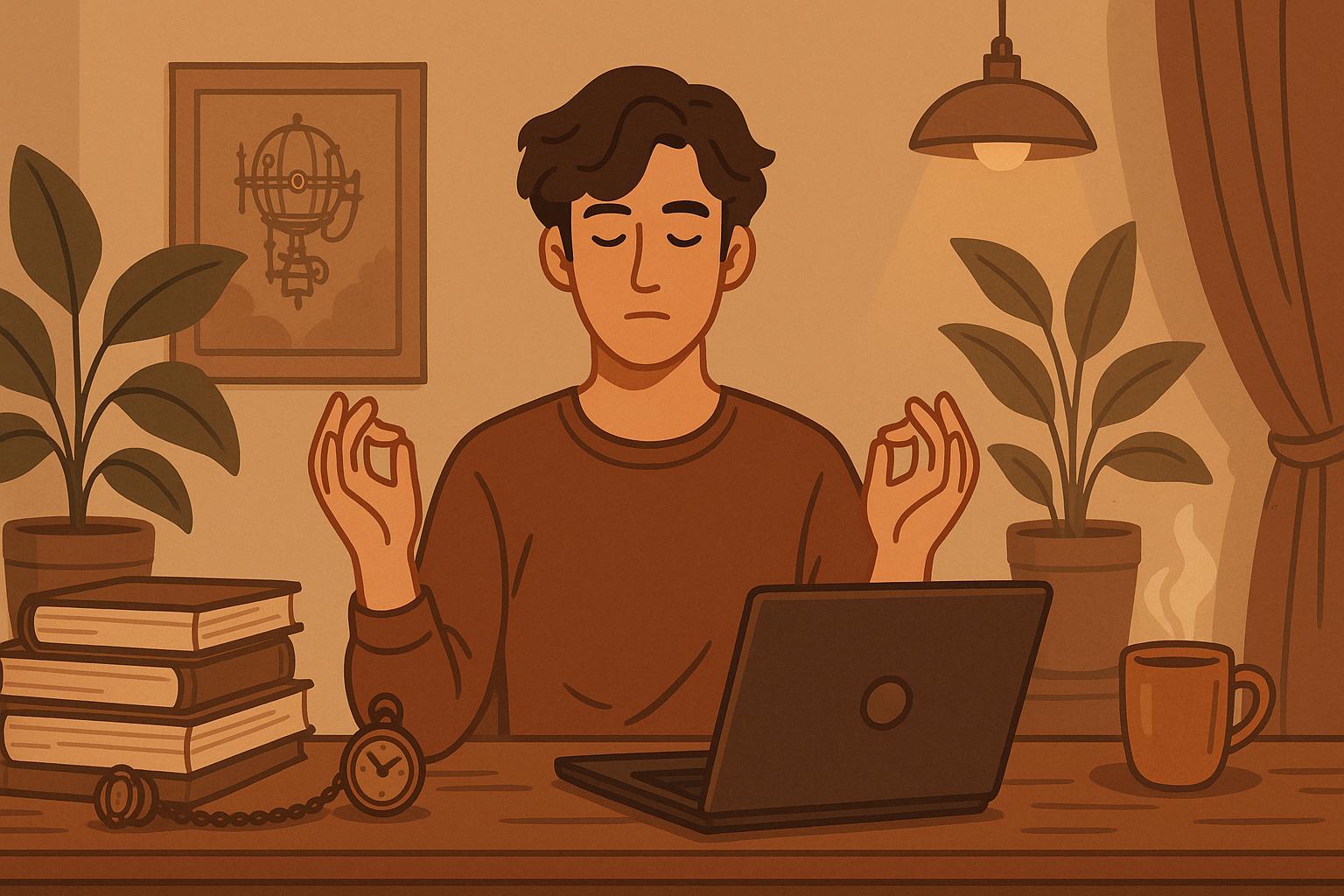
In a world of high expectations, tight deadlines, and constant change, the ability to manage stress and bounce back from setbacks is essential. For students and young professionals alike, developing resilience is not just about surviving difficult moments—it’s about thriving through them and emerging stronger.
What Is Resilience?
Resilience is the capacity to recover quickly from challenges, stress, or failure. It involves mental toughness, emotional regulation, and the ability to adapt. Resilient individuals don’t avoid stress—they learn to face it, manage it, and grow from it.
Sources of Stress for Students and Graduates
- Academic overload and performance pressure
- Financial uncertainty
- Job market competitiveness
- Social comparison and imposter syndrome
- Balancing study, work, and personal life
Strategies for Building Resilience
1. Practice Self-Awareness
- Recognize personal stress triggers
- Reflect on your emotional reactions and thought patterns
2. Develop Healthy Habits
- Regular sleep, nutrition, and exercise
- Mindfulness practices like meditation or journaling
3. Reframe Setbacks
- View failure as feedback, not defeat
- Identify what went wrong and what can be improved next time
4. Build a Support Network
- Cultivate relationships with friends, mentors, or counselors
- Share challenges and seek advice when needed
5. Strengthen Your Inner Dialogue
- Replace self-criticism with self-compassion
- Practice positive affirmations and realistic optimism
Managing Stress in the Moment
- Deep Breathing Techniques: Regulate your nervous system quickly
- Time Blocking: Structure your day to avoid overwhelm
- Breaks and Micro-Restorations: Step away to reset focus and mood
Final Thoughts
Resilience is not a fixed trait—it’s a skill that can be learned and strengthened over time. By actively working on stress management and emotional regulation, students and graduates can build the inner resources needed to stay steady through uncertainty and succeed long-term, both academically and professionally.