Conflict Resolution: A Crucial Soft Skill for Academic and Professional Success
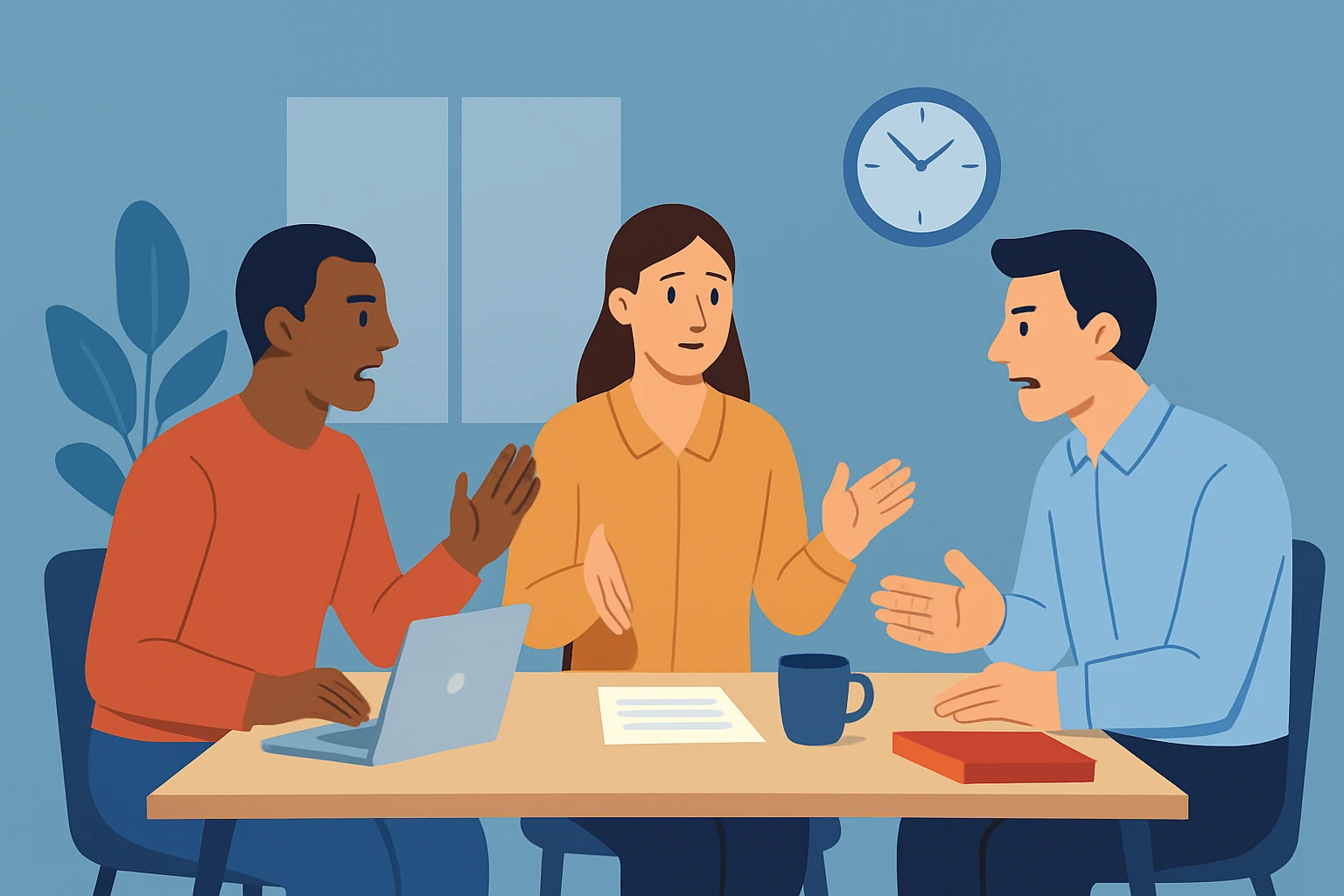
Conflict is a natural part of human interaction—whether in group projects at university, internships, or future workplaces. The ability to navigate disagreement with composure, empathy, and strategic thinking is a key soft skill that sets effective collaborators and leaders apart. Mastering conflict resolution not only improves relationships but also enhances team performance and organizational culture.
Understanding Conflict in Collaborative Environments
Conflicts often arise due to:
- Miscommunication or misunderstandings
- Differing priorities, values, or goals
- Unequal workloads or perceived unfairness
- Cultural or personality differences
Recognizing that conflict is not inherently negative is the first step. When managed well, it can lead to improved understanding, innovation, and stronger partnerships.
Core Conflict Resolution Strategies
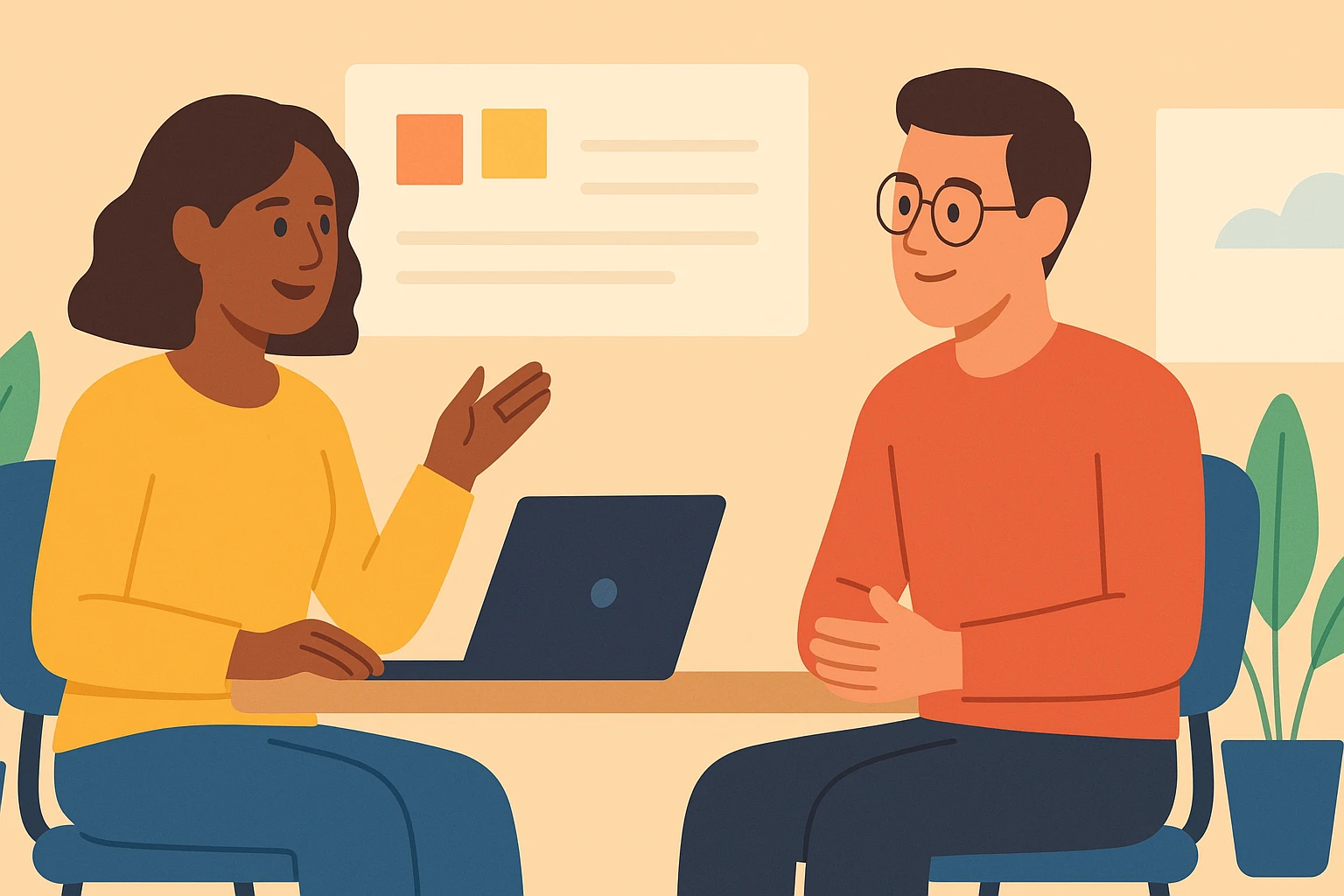
1. Active Listening
- Focus on understanding the other person’s perspective without interrupting.
- Ask clarifying questions and paraphrase to show you’re engaged.
2. Stay Calm and Professional
- Manage your own emotions before responding.
- Avoid personal attacks or assigning blame.
3. Identify the Root Cause
- Go beyond surface-level disagreements to uncover what’s truly at stake.
- Often, emotional needs (respect, recognition, security) are the deeper issue.
4. Collaborate on Solutions
- Use a win-win approach where possible.
- Encourage input from all sides and aim for a mutually beneficial resolution.
5. Know When to Involve a Mediator
- If discussions break down, involving a neutral third party (teacher, supervisor, HR) can be constructive.
How Students Can Practice Conflict Resolution
- Group Projects: Volunteer to facilitate discussions and mediate disagreements.
- Clubs and Organizations: Leadership roles often involve managing interpersonal dynamics.
- Simulations and Workshops: Participate in mock negotiations or role-play exercises.
Highlighting Conflict Resolution Skills
- On resumes, reference times you helped resolve disputes or improve group collaboration.
- In interviews, share a story where your conflict resolution approach led to a positive outcome.
Final Thoughts
Conflict doesn’t need to be feared—it’s an opportunity for growth. Students and professionals who develop the ability to handle disagreements with maturity and empathy become invaluable members of any team. Conflict resolution is not just about solving problems—it’s about building stronger, more resilient relationships.